
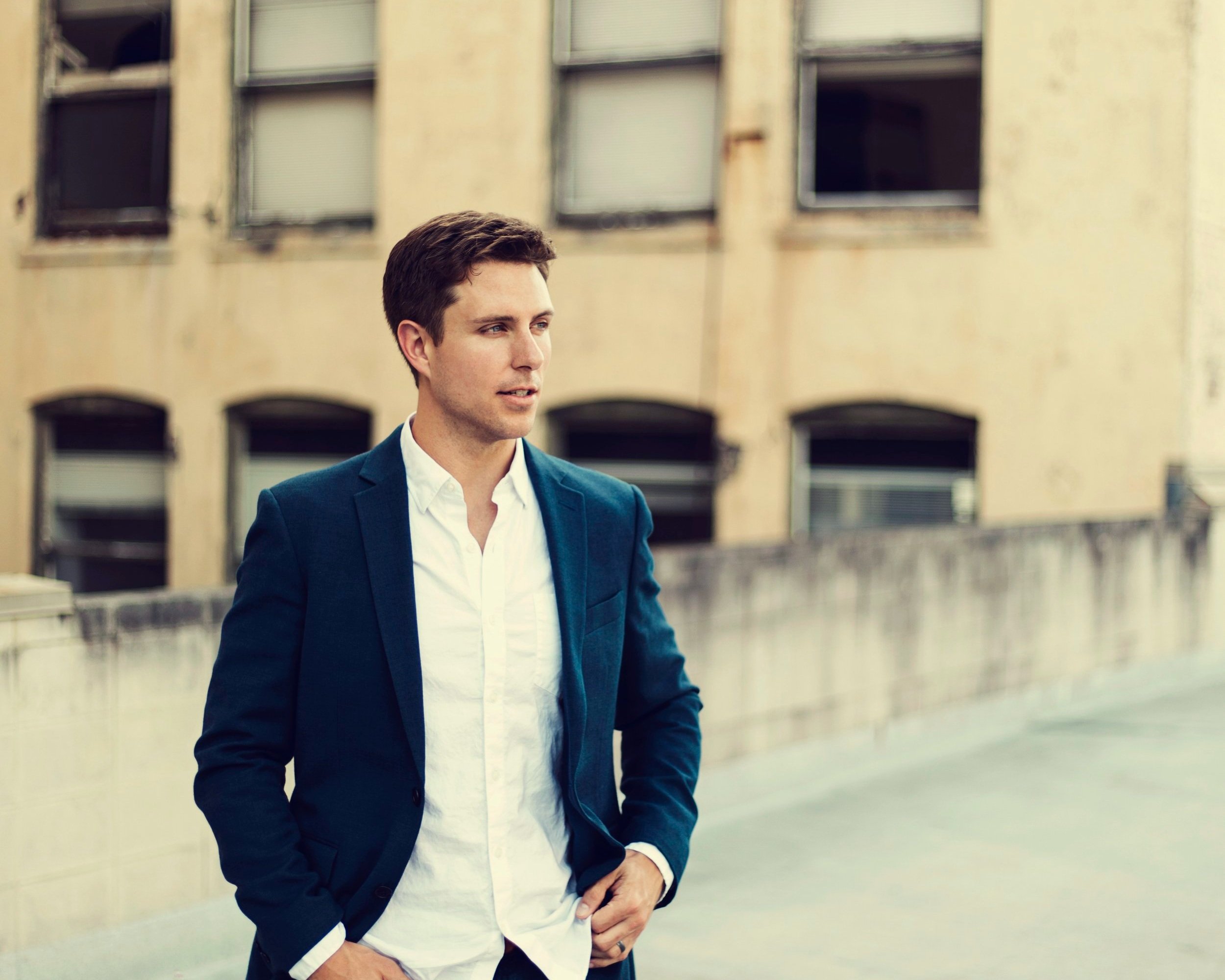
Dr. Beau Beard is the co-founder and clinic director of The FARM: Functional Athletic Rehabilitation and Movement. He has been interested in the fields of health and human performance since suffering a femur fracture in middle school that required surgery. After being told he would never play sports again, proper rehabilitation and the care of a phenomenal chiropractor helped him return to playing multiple sports within a year—an experience that ultimately shaped the direction of his career.
He is a Certified Dynamic Neuromuscular Stabilization (DNS) Practitioner and DNS International Instructor. Dr. Beard has been involved with DNS and the Prague School of Rehabilitation since being introduced to the system in 2011, integrating principles of developmental kinesiology and neurophysiology into his clinical practice and teaching.
Dr. Beard is also one of the founding members of Rehab 2 Performance (R2P), a nonprofit organization focused on educating students and clinicians in a multimodal approach to rehabilitation and performance. He currently serves as a member of the R2P Advisory Board.
Dr. Beard spoke at TEDx Birmingham 2019 on the topic of ‘Environmental Reflection’, where he drew connections between some of the most daunting issues facing human and environmental health and how we may begin to address both by focusing on ourselves.
Dr. Beard is the author of The Age of Movement, which examines movement throughout the biological record, explores what optimal movement can look like across the lifespan, and presents a fundamentals-based approach to addressing many of the health challenges facing modern humans.
In clinical practice, Dr. Beard brings thousands of hours of continuing education across a broad range of disciplines and techniques to each case. This multidisciplinary background allows him to approach complex musculoskeletal and performance problems through multiple lenses rather than relying on any single methodology.
Throughout his career, Dr. Beard has consulted and worked with professional athletes, Olympic medalists, multiple branches of the military and special operations units, and numerous university-level athletic programs. His clinical and educational work is centered on bridging the gap between rehabilitation and performance while helping clinicians develop the observational skills, clinical reasoning, and breadth of knowledge necessary to better understand the human system.